Barefoot Holistics | Reflexology in Albany WA
  • Home
  • About Reflexology
    • What is Reflexology?
    • History & Origins
    • Research & Evidence
    • What to Expect
  • Meet Toria
  • News & Blog
  • Book / Get in Touch

History & Origins of Reflexology

The idea that the feet may influence health and wellbeing appears across many cultures and historical traditions.
Over time, modern reflexology has evolved through the influence of traditional healing systems, understandings of anatomy and physiology, and contemporary approaches to complementary therapy, shaping the practice as it is known today.
Ancient traditions of foot-based therapies

Historical records suggest that forms of foot-based therapy existed in several ancient cultures, including Egypt, India and China, thousands of years ago.
While these early practices were not identical to modern reflexology, they may reflect longstanding beliefs about the feet and how they hold therapeutic importance beyond physical support and movement alone.

Reflexology is often associated with traditional systems such as Ayurvedic medicine and Traditional Chinese Medicine.

Some modern approaches to the practice draw on shared ideas, such as meridians and acupressure points, reflecting a common view of the body as interconnected.
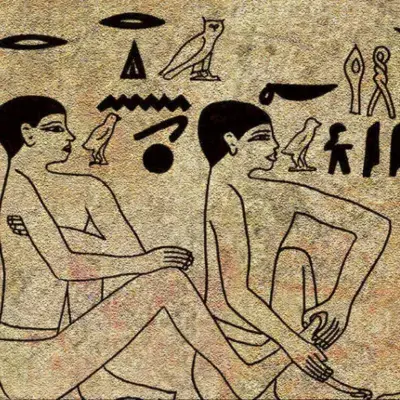
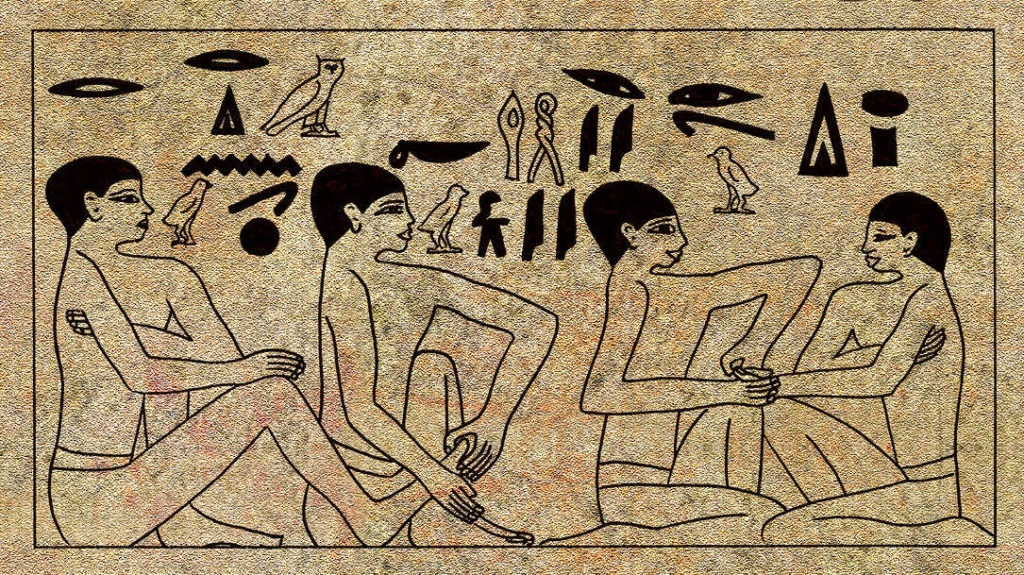
Ancient Egyptian wall carving from the Physician’s Tomb
Ancient carvings from the Physician's Tomb in Saqquara, Ancient Egypt show the hands and feet being treated in what is believed to be an early therapeutic practice. Circa 2330 BC.

The development of modern reflexology

What we recognise as reflexology today began to take shape in the early twentieth century, influenced by developments in neurological research and ideas around how the body responds to stimulation.
Picture
Early work on reflex responses was explored in neurological science by the Russian researcher Vladimir Bekhterev. At this stage, these ideas were not linked to the feet or therapeutic bodywork.

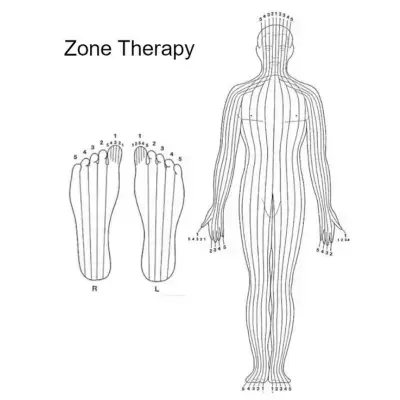
The connection to foot-based therapy emerged later in the United States with the development of Zone Therapy by William H. Fitzgerald. His work introduced the idea of the body being organised into longitudinal zones, where stimulation in one area was thought to affect another.
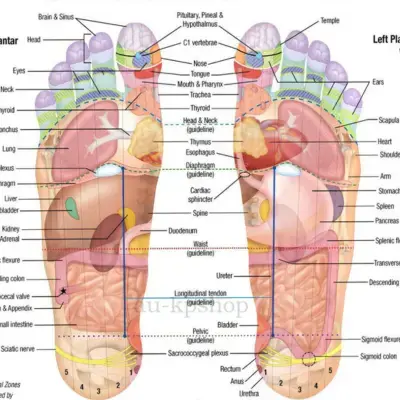
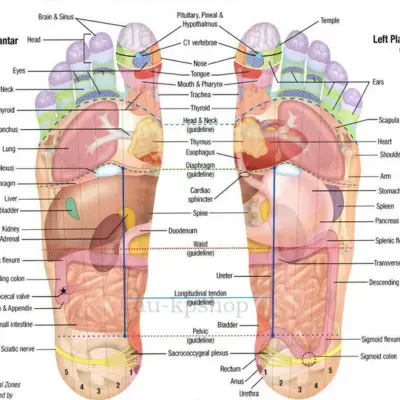
In the 1930s, physiotherapist Eunice Ingham built on these ideas and translated them into practical foot and hand mapping techniques. Alongside her nephew Dwight Byers, her work helped shape reflexology into a structured and widely recognised therapeutic approach.

While Ingham’s work focused on the feet and hands, reflexology has since evolved into other forms of practice, including ear and facial reflexology, with some approaches drawing on traditional Eastern practices. 
Picture
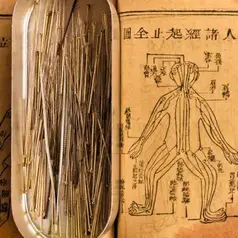
There are links between reflexology and Traditional Chinese Medicine, with some approaches drawing on acupressure points and energy pathways to support balance and the flow of energy.

Reflexology in contemporary practice

Today, reflexology is practised internationally as a complementary therapy in a wide range of wellness and supportive care settings.
Different schools and approaches have since developed, with variations in technique, philosophy and interpretation.

Despite this, most modern systems share the principle that working through the feet may influence the body as a whole.

Modern perspectives on reflexology draw from areas including:
  • therapeutic touch
  • sensory stimulation
  • relaxation responses
  • circulation
  • fascia and connective tissue
  • energetic balancing
  • body awareness and stress physiology
Picture
At Barefoot Holistics, reflexology is approached with respect for both its historical foundations and its modern context within a complementary health setting.
What to expect from a session >
"As above, so below;
as below, so above."

- Ancient Egyptian philosophy

A brief timeline of reflexology

Picture

Ancient Egypt

Images depicting forms of foot and hand therapy were found in the tomb of the physician, Ankhmahor, in Saqquara, Ancient Egypt, dating back to around 2330 BC. The carvings were accompanied by hieroglyphics that read: 'Do not hurt me' and 'I shall act so you praise me'. 
Picture

Traditional Eastern practices

Various touch-based and pressure-based healing systems developed across India, China and other parts of Asia within broader holistic medical traditions. Some of these practices emphasise using the feet for balance and nourishment.
Picture

Early 20th Century

Western practitioners began developing zone theories and mapped reflex systems linking areas of the feet with different parts of the body. Eunice Ingham, described as the Mother of Reflexology, applied years of hands-on practice to develop and refine detailed foot maps and practical techniques.  
Picture

Modern reflexology

Contemporary reflexology continues to evolve through both traditional practice and modern complementary therapy perspectives. It is now used in a range of approaches, from general relaxation and stress support to more targeted work focused on areas such as pain management, digestion, neuropathy and circulation.

Explore reflexology further

Learn more about reflexology including theories behind how it works and current research perspectives.
What is reflexology? >
Research & evidence >
Blog: How reflexology works >
Barefoot Holistics Reflexology
Reset and rebalance from the feet up.
Personalised reflexology in Albany WA.
Health4You Most Popular 2025 Award
MumsPages Most Popular 2025 Award
About Reflexology
  • What is Reflexology?
  • History & Origins
  • Research & Evidence
  • What to Expect

Meet Toria

News & Blog


Shop & Discounts 
  • Gift vouchers
  • Chinese herbal teas
  • Everyday foot care
  • Natural footwear discounts
Based at the Albany Centre of Natural Therapies
5 Young Street
Albany 6330
Western Australia

Call or text Toria on:
(+61) 0477 069 164
Book a session >
Reflexology is a complementary therapy designed to promote overall wellness and is evidenced as helping with relaxation and stress reduction. It is not intended to diagnose, treat or cure any medical conditions. Treatments should not be considered a substitute for conventional medical care. This website and its contents are for informational purposes only and should not be interpreted as medical advice. 

© 2026 Barefoot Holistics | All Rights Reserved
Privacy policy | Terms and conditions
Website by writerfortheweb

  • Home
  • About Reflexology
    • What is Reflexology?
    • History & Origins
    • Research & Evidence
    • What to Expect
  • Meet Toria
  • News & Blog
  • Book / Get in Touch